/* global wpforms_gutenberg_form_selector */ /* jshint es3: false, esversion: 6 */ /** * @param wpforms_gutenberg_form_selector.route_namespace * @param strings.theme_name * @param strings.theme_delete * @param strings.theme_delete_title * @param strings.theme_delete_confirm * @param strings.theme_delete_cant_undone * @param strings.theme_delete_yes * @param strings.theme_copy * @param strings.theme_custom * @param strings.theme_noname * @param strings.button_background * @param strings.button_text * @param strings.field_label * @param strings.field_sublabel * @param strings.field_border */ /** * Gutenberg editor block. * * Themes panel module. * * @since 1.8.8 */ export default ( function( document, window, $ ) { /** * WP core components. * * @since 1.8.8 */ const { PanelBody, ColorIndicator, TextControl, Button } = wp.components; const { __experimentalRadio: Radio, __experimentalRadioGroup: RadioGroup } = wp.components; /** * Localized data aliases. * * @since 1.8.8 */ const { isPro, isLicenseActive, strings, route_namespace: routeNamespace } = wpforms_gutenberg_form_selector; /** * Form selector common module. * * @since 1.8.8 * * @type {Object} */ let formSelectorCommon = null; /** * Runtime state. * * @since 1.8.8 * * @type {Object} */ const state = {}; /** * Themes data. * * @since 1.8.8 * * @type {Object} */ const themesData = { wpforms: null, custom: null, }; /** * Enabled themes. * * @since 1.8.8 * * @type {Object} */ let enabledThemes = null; /** * Elements holder. * * @since 1.8.8 * * @type {Object} */ const el = {}; /** * Public functions and properties. * * @since 1.8.8 * * @type {Object} */ const app = { /** * Initialize panel. * * @since 1.8.8 */ init() { el.$window = $( window ); app.fetchThemesData(); $( app.ready ); }, /** * Document ready. * * @since 1.8.8 */ ready() { app.events(); }, /** * Events. * * @since 1.8.8 */ events() { wp.data.subscribe( function() { // eslint-disable-line complexity const isSavingPost = wp.data.select( 'core/editor' )?.isSavingPost(); const isAutosavingPost = wp.data.select( 'core/editor' )?.isAutosavingPost(); const isSavingWidget = wp.data.select( 'core/edit-widgets' )?.isSavingWidgetAreas(); const currentPost = wp.data.select( 'core/editor' )?.getCurrentPost(); const isBlockOrTemplate = currentPost?.type?.includes( 'wp_template' ) || currentPost?.type?.includes( 'wp_block' ); if ( ( ! isSavingPost && ! isSavingWidget && ! isBlockOrTemplate ) || isAutosavingPost ) { return; } if ( isBlockOrTemplate ) { // Delay saving if this is FSE for better performance. _.debounce( app.saveCustomThemes, 500 )(); return; } app.saveCustomThemes(); } ); }, /** * Get all themes data. * * @since 1.8.8 * * @return {Object} Themes data. */ getAllThemes() { return { ...( themesData.custom || {} ), ...( themesData.wpforms || {} ) }; }, /** * Get theme data. * * @since 1.8.8 * * @param {string} slug Theme slug. * * @return {Object|null} Theme settings. */ getTheme( slug ) { return app.getAllThemes()[ slug ] || null; }, /** * Get enabled themes data. * * @since 1.8.8 * * @return {Object} Themes data. */ getEnabledThemes() { if ( enabledThemes ) { return enabledThemes; } const allThemes = app.getAllThemes(); if ( isPro && isLicenseActive ) { return allThemes; } enabledThemes = Object.keys( allThemes ).reduce( ( acc, key ) => { if ( allThemes[ key ].settings?.fieldSize && ! allThemes[ key ].disabled ) { acc[ key ] = allThemes[ key ]; } return acc; }, {} ); return enabledThemes; }, /** * Update enabled themes. * * @since 1.8.8 * * @param {string} slug Theme slug. * @param {Object} theme Theme settings. */ updateEnabledThemes( slug, theme ) { if ( ! enabledThemes ) { return; } enabledThemes = { ...enabledThemes, [ slug ]: theme, }; }, /** * Whether the theme is disabled. * * @since 1.8.8 * * @param {string} slug Theme slug. * * @return {boolean} True if the theme is disabled. */ isDisabledTheme( slug ) { return ! app.getEnabledThemes()?.[ slug ]; }, /** * Whether the theme is one of the WPForms themes. * * @since 1.8.8 * * @param {string} slug Theme slug. * * @return {boolean} True if the theme is one of the WPForms themes. */ isWPFormsTheme( slug ) { return Boolean( themesData.wpforms[ slug ]?.settings ); }, /** * Fetch themes data from API. * * @since 1.8.8 */ fetchThemesData() { // If a fetch is already in progress, exit the function. if ( state.isFetchingThemes || themesData.wpforms ) { return; } // Set the flag to true indicating a fetch is in progress. state.isFetchingThemes = true; try { // Fetch themes data. wp.apiFetch( { path: routeNamespace + 'themes/', method: 'GET', cache: 'no-cache', } ) .then( ( response ) => { themesData.wpforms = response.wpforms || {}; themesData.custom = response.custom || {}; } ) .catch( ( error ) => { // eslint-disable-next-line no-console console.error( error?.message ); } ) .finally( () => { state.isFetchingThemes = false; } ); } catch ( error ) { // eslint-disable-next-line no-console console.error( error ); } }, /** * Save custom themes. * * @since 1.8.8 */ saveCustomThemes() { // Custom themes do not exist. if ( state.isSavingThemes || ! themesData.custom ) { return; } // Set the flag to true indicating a saving is in progress. state.isSavingThemes = true; try { // Save themes. wp.apiFetch( { path: routeNamespace + 'themes/custom/', method: 'POST', data: { customThemes: themesData.custom }, } ) .then( ( response ) => { if ( ! response?.result ) { // eslint-disable-next-line no-console console.log( response?.error ); } } ) .catch( ( error ) => { // eslint-disable-next-line no-console console.error( error?.message ); } ) .finally( () => { state.isSavingThemes = false; } ); } catch ( error ) { // eslint-disable-next-line no-console console.error( error ); } }, /** * Get the current style attributes state. * * @since 1.8.8 * * @param {Object} props Block properties. * * @return {boolean} Whether the custom theme is created. */ getCurrentStyleAttributes( props ) { const defaultAttributes = Object.keys( themesData.wpforms.default?.settings ); const currentStyleAttributes = {}; for ( const key in defaultAttributes ) { const attr = defaultAttributes[ key ]; currentStyleAttributes[ attr ] = props.attributes[ attr ] ?? ''; } return currentStyleAttributes; }, /** * Maybe create custom theme. * * @since 1.8.8 * * @param {Object} props Block properties. * * @return {boolean} Whether the custom theme is created. */ maybeCreateCustomTheme( props ) { // eslint-disable-line complexity const currentStyles = app.getCurrentStyleAttributes( props ); const isWPFormsTheme = !! themesData.wpforms[ props.attributes.theme ]; const isCustomTheme = !! themesData.custom[ props.attributes.theme ]; let migrateToCustomTheme = false; // It is one of the default themes without any changes. if ( isWPFormsTheme && JSON.stringify( themesData.wpforms[ props.attributes.theme ]?.settings ) === JSON.stringify( currentStyles ) ) { return false; } const prevAttributes = formSelectorCommon.getBlockRuntimeStateVar( props.clientId, 'prevAttributesState' ); // It is a block added in FS 1.0, so it doesn't have a theme. // The `prevAttributes` is `undefined` means that we are in the first render of the existing block. if ( props.attributes.theme === 'default' && props.attributes.themeName === '' && ! prevAttributes ) { migrateToCustomTheme = true; } // It is a modified default theme OR unknown custom theme. if ( isWPFormsTheme || ! isCustomTheme || migrateToCustomTheme ) { app.createCustomTheme( props, currentStyles, migrateToCustomTheme ); } return true; }, /** * Create custom theme. * * @since 1.8.8 * * @param {Object} props Block properties. * @param {Object} currentStyles Current style settings. * @param {boolean} migrateToCustomTheme Whether it is needed to migrate to custom theme. * * @return {boolean} Whether the custom theme is created. */ createCustomTheme( props, currentStyles = null, migrateToCustomTheme = false ) { // eslint-disable-line complexity let counter = 0; let themeSlug = props.attributes.theme; const baseTheme = app.getTheme( props.attributes.theme ) || themesData.wpforms.default; let themeName = baseTheme.name; themesData.custom = themesData.custom || {}; if ( migrateToCustomTheme ) { themeSlug = 'custom'; themeName = strings.theme_custom; } // Determine the theme slug and the number of copies. do { counter++; themeSlug = themeSlug + '-copy-' + counter; } while ( themesData.custom[ themeSlug ] && counter < 10000 ); const copyStr = counter < 2 ? strings.theme_copy : strings.theme_copy + ' ' + counter; themeName += ' (' + copyStr + ')'; // The first migrated Custom Theme should be without `(Copy)` suffix. themeName = migrateToCustomTheme && counter < 2 ? strings.theme_custom : themeName; // Add the new custom theme. themesData.custom[ themeSlug ] = { name: themeName, settings: currentStyles || app.getCurrentStyleAttributes( props ), }; app.updateEnabledThemes( themeSlug, themesData.custom[ themeSlug ] ); // Update the block attributes with the new custom theme settings. props.setAttributes( { theme: themeSlug, themeName, } ); return true; }, /** * Maybe create custom theme by given attributes. * * @since 1.8.8 * * @param {Object} attributes Block properties. * * @return {string} New theme's slug. */ maybeCreateCustomThemeFromAttributes( attributes ) { // eslint-disable-line complexity const newThemeSlug = attributes.theme; const existingTheme = app.getTheme( attributes.theme ); const keys = Object.keys( attributes ); let isExistingTheme = Boolean( existingTheme?.settings ); // Check if the theme already exists and has the same settings. if ( isExistingTheme ) { for ( const i in keys ) { const key = keys[ i ]; if ( ! existingTheme.settings[ key ] || existingTheme.settings[ key ] !== attributes[ key ] ) { isExistingTheme = false; break; } } } // The theme exists and has the same settings. if ( isExistingTheme ) { return newThemeSlug; } // The theme doesn't exist. // Normalize the attributes to the default theme settings. const defaultAttributes = Object.keys( themesData.wpforms.default.settings ); const newSettings = {}; for ( const i in defaultAttributes ) { const attr = defaultAttributes[ i ]; newSettings[ attr ] = attributes[ attr ] ?? ''; } // Create a new custom theme. themesData.custom[ newThemeSlug ] = { name: attributes.themeName ?? strings.theme_custom, settings: newSettings, }; app.updateEnabledThemes( newThemeSlug, themesData.custom[ newThemeSlug ] ); return newThemeSlug; }, /** * Update custom theme. * * @since 1.8.8 * * @param {string} attribute Attribute name. * @param {string} value New attribute value. * @param {Object} props Block properties. */ updateCustomThemeAttribute( attribute, value, props ) { // eslint-disable-line complexity const themeSlug = props.attributes.theme; // Skip if it is one of the WPForms themes OR the attribute is not in the theme settings. if ( themesData.wpforms[ themeSlug ] || ( attribute !== 'themeName' && ! themesData.wpforms.default.settings[ attribute ] ) ) { return; } // Skip if the custom theme doesn't exist. // It should never happen, only in some unique circumstances. if ( ! themesData.custom[ themeSlug ] ) { return; } // Update theme data. if ( attribute === 'themeName' ) { themesData.custom[ themeSlug ].name = value; } else { themesData.custom[ themeSlug ].settings = themesData.custom[ themeSlug ].settings || themesData.wpforms.default.settings; themesData.custom[ themeSlug ].settings[ attribute ] = value; } // Trigger event for developers. el.$window.trigger( 'wpformsFormSelectorUpdateTheme', [ themeSlug, themesData.custom[ themeSlug ], props ] ); }, /** * Get Themes panel JSX code. * * @since 1.8.8 * * @param {Object} props Block properties. * @param {Object} formSelectorCommonModule Common module. * @param {Object} stockPhotosModule StockPhotos module. * * @return {Object} Themes panel JSX code. */ getThemesPanel( props, formSelectorCommonModule, stockPhotosModule ) { // Store common module in app. formSelectorCommon = formSelectorCommonModule; state.stockPhotos = stockPhotosModule; // If there are no themes data, it is necessary to fetch it firstly. if ( ! themesData.wpforms ) { app.fetchThemesData(); // Return empty JSX code. return ( <> ); } // Get event handlers. const handlers = app.getEventHandlers( props ); const showCustomThemeOptions = formSelectorCommonModule.isFullStylingEnabled() && app.maybeCreateCustomTheme( props ); const checked = formSelectorCommonModule.isFullStylingEnabled() ? props.attributes.theme : 'classic'; const isLeadFormsEnabled = formSelectorCommonModule.isLeadFormsEnabled( formSelectorCommonModule.getBlockContainer( props ) ); const displayLeadFormNotice = isLeadFormsEnabled ? 'block' : 'none'; const modernNoticeStyles = displayLeadFormNotice === 'block' ? { display: 'none' } : {}; let classes = formSelectorCommon.getPanelClass( props ); classes += isLeadFormsEnabled ? ' wpforms-lead-forms-enabled' : ''; classes += app.isMac() ? ' wpforms-is-mac' : ''; return (

{ strings.use_modern_notice_head } { strings.use_modern_notice_text } { strings.learn_more }

{ strings.lead_forms_panel_notice_head } { strings.lead_forms_panel_notice_text }

handlers.selectTheme( value ) } > { app.getThemesItemsJSX( props ) } { showCustomThemeOptions && ( <> handlers.changeThemeName( value ) } /> ) }
); }, /** * Get the Themes panel items JSX code. * * @since 1.8.8 * * @param {Object} props Block properties. * * @return {Array} Themes items JSX code. */ getThemesItemsJSX( props ) { // eslint-disable-line complexity const allThemesData = app.getAllThemes(); if ( ! allThemesData ) { return []; } const itemsJsx = []; const themes = Object.keys( allThemesData ); let theme, firstThemeSlug; // Display the current custom theme on the top of the list. if ( ! app.isWPFormsTheme( props.attributes.theme ) ) { firstThemeSlug = props.attributes.theme; itemsJsx.push( app.getThemesItemJSX( props.attributes.theme, app.getTheme( props.attributes.theme ) ) ); } for ( const key in themes ) { const slug = themes[ key ]; // Skip the first theme. if ( firstThemeSlug && firstThemeSlug === slug ) { continue; } // Ensure that all the theme settings are present. theme = { ...allThemesData.default, ...( allThemesData[ slug ] || {} ) }; theme.settings = { ...allThemesData.default.settings, ...( theme.settings || {} ) }; itemsJsx.push( app.getThemesItemJSX( slug, theme ) ); } return itemsJsx; }, /** * Get the Themes panel's single item JSX code. * * @since 1.8.8 * * @param {string} slug Theme slug. * @param {Object} theme Theme data. * * @return {Object|null} Themes panel single item JSX code. */ getThemesItemJSX( slug, theme ) { if ( ! theme ) { return null; } const title = theme.name?.length > 0 ? theme.name : strings.theme_noname; return (
{ title }
); }, /** * Set block theme. * * @since 1.8.8 * * @param {Object} props Block properties. * @param {string} themeSlug The theme slug. * * @return {boolean} True on success. */ setBlockTheme( props, themeSlug ) { if ( app.maybeDisplayUpgradeModal( themeSlug ) ) { return false; } const theme = app.getTheme( themeSlug ); if ( ! theme?.settings ) { return false; } const attributes = Object.keys( theme.settings ); const block = formSelectorCommon.getBlockContainer( props ); const container = block.querySelector( `#wpforms-${ props.attributes.formId }` ); // Overwrite block attributes with the new theme settings. // It is needed to rely on the theme settings only. const newProps = { ...props, attributes: { ...props.attributes, ...theme.settings } }; // Update the preview with the new theme settings. for ( const key in attributes ) { const attr = attributes[ key ]; theme.settings[ attr ] = theme.settings[ attr ] === '0' ? '0px' : theme.settings[ attr ]; formSelectorCommon.updatePreviewCSSVarValue( attr, theme.settings[ attr ], container, newProps ); } // Prepare the new attributes to be set. const setAttributes = { theme: themeSlug, themeName: theme.name, ...theme.settings, }; if ( props.setAttributes ) { // Update the block attributes with the new theme settings. props.setAttributes( setAttributes ); } // Trigger event for developers. el.$window.trigger( 'wpformsFormSelectorSetTheme', [ block, themeSlug, props ] ); return true; }, /** * Maybe display upgrades modal in Lite. * * @since 1.8.8 * * @param {string} themeSlug The theme slug. * * @return {boolean} True if modal was displayed. */ maybeDisplayUpgradeModal( themeSlug ) { if ( ! app.isDisabledTheme( themeSlug ) ) { return false; } if ( ! isPro ) { formSelectorCommon.education.showProModal( 'themes', strings.themes ); return true; } if ( ! isLicenseActive ) { formSelectorCommon.education.showLicenseModal( 'themes', strings.themes, 'select-theme' ); return true; } return false; }, /** * Get themes panel event handlers. * * @since 1.8.8 * * @param {Object} props Block properties. * * @type {Object} */ getEventHandlers( props ) { // eslint-disable-line max-lines-per-function const commonHandlers = formSelectorCommon.getSettingsFieldsHandlers( props ); const handlers = { /** * Select theme event handler. * * @since 1.8.8 * * @param {string} value New attribute value. */ selectTheme( value ) { if ( ! app.setBlockTheme( props, value ) ) { return; } // Maybe open Stock Photo installation window. state?.stockPhotos?.onSelectTheme( value, props, app, commonHandlers ); const block = formSelectorCommon.getBlockContainer( props ); formSelectorCommon.setTriggerServerRender( false ); commonHandlers.updateCopyPasteContent(); // Trigger event for developers. el.$window.trigger( 'wpformsFormSelectorSelectTheme', [ block, props, value ] ); }, /** * Change theme name event handler. * * @since 1.8.8 * * @param {string} value New attribute value. */ changeThemeName( value ) { formSelectorCommon.setTriggerServerRender( false ); props.setAttributes( { themeName: value } ); app.updateCustomThemeAttribute( 'themeName', value, props ); }, /** * Delete theme event handler. * * @since 1.8.8 */ deleteTheme() { const deleteThemeSlug = props.attributes.theme; // Remove theme from the theme storage. delete themesData.custom[ deleteThemeSlug ]; // Open the confirmation modal window. app.deleteThemeModal( props, deleteThemeSlug, handlers ); }, }; return handlers; }, /** * Open the theme delete confirmation modal window. * * @since 1.8.8 * * @param {Object} props Block properties. * @param {string} deleteThemeSlug Theme slug. * @param {Object} handlers Block event handlers. */ deleteThemeModal( props, deleteThemeSlug, handlers ) { const confirm = strings.theme_delete_confirm.replace( '%1$s', `${ props.attributes.themeName }` ); const content = `

${ confirm } ${ strings.theme_delete_cant_undone }

`; $.confirm( { title: strings.theme_delete_title, content, icon: 'wpforms-exclamation-circle', type: 'red', buttons: { confirm: { text: strings.theme_delete_yes, btnClass: 'btn-confirm', keys: [ 'enter' ], action() { // Switch to the default theme. handlers.selectTheme( 'default' ); // Trigger event for developers. el.$window.trigger( 'wpformsFormSelectorDeleteTheme', [ deleteThemeSlug, props ] ); }, }, cancel: { text: strings.cancel, keys: [ 'esc' ], }, }, } ); }, /** * Determine if the user is on a Mac. * * @return {boolean} True if the user is on a Mac. */ isMac() { return navigator.userAgent.includes( 'Macintosh' ); }, }; app.init(); // Provide access to public functions/properties. return app; }( document, window, jQuery ) );

Oh hey, it looks like you're working on a Contact page.

$primary: #9ebaa0; // $secondary: #aa9d88; // $background: #738e96; // $text: #fff; // $menu_hover: #9ebaa0; $menu_hover_text: #fff; $header_background: #738e96; // $header_text: #fff; // $subsection_background: #627c83; // $subsection_background_hover: #627c83; // $subsection_text: #d5dde0; // $active_menu_text: #fff; $active_submenu_text: #fff; $text_shadow: 1; @import "../_admin.scss"; Key Qualities That Define an Exceptional Condominium Community - Top Lad

Key Qualities That Define an Exceptional Condominium Community

An exceptional condominium community is about more than an attractive building or an extensive list of amenities. The strongest developments combine thoughtful design, practical facilities, good connectivity, privacy, security, landscaping, and effective management to create an environment that residents can enjoy over the long term. For Singapore homebuyers, assessing these qualities can help distinguish between developments that simply look impressive and those that genuinely support comfortable everyday living.
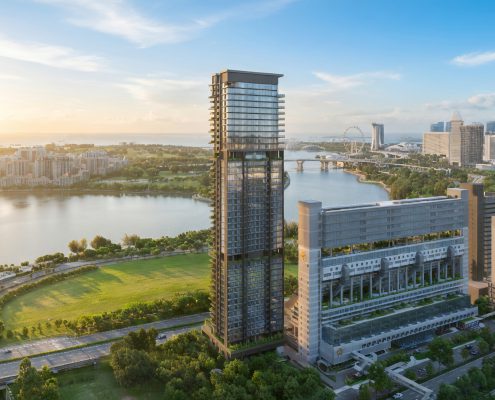
The Serra Residences

A Well-Considered Location

Location is one of the foundations of a successful residential community. Convenient access to MRT stations, bus services, major roads, schools, shopping destinations, healthcare facilities, parks, and workplaces can simplify daily routines.

The ideal location depends on each household’s priorities, but a neighbourhood with diverse amenities and strong connectivity can provide greater flexibility as residents’ needs change. Developments such as The Serra Residences demonstrate why the surrounding neighbourhood should be considered alongside the development itself.

Efficient and Comfortable Homes

The individual unit remains central to the condominium experience. Efficient floor plans can make better use of available space while providing flexibility for different household routines.

Buyers should examine room proportions, storage, natural lighting, ventilation, circulation, and furniture placement. A well-designed home should feel comfortable in everyday use rather than simply appearing attractive in a show unit.

High-Quality Amenities

A strong condominium community should offer facilities that residents can realistically use. Swimming pools, gyms, gardens, playgrounds, lounges, and function rooms can support exercise, recreation, relaxation, and social activities.

Quality is generally more important than quantity. Buyers should consider the condition, size, accessibility, positioning, and maintenance requirements of each facility rather than focusing only on the number of amenities.

Attractive Landscaping

Landscaping can significantly influence the character of a residential development. Trees, gardens, lawns, planted pathways, and outdoor seating can make shared spaces more inviting while providing visual relief from surrounding buildings.

Projects such as Dunearn Green highlight why the relationship between architecture and greenery can be an important part of a development’s overall appeal.

A Strong Sense of Privacy

A condominium community should provide opportunities for interaction without making residents feel constantly exposed. Building orientation, spacing between blocks, window positions, balcony design, and landscaping can all influence privacy.

The location of communal facilities also matters. Active areas should be positioned carefully so that noise and movement do not unnecessarily affect nearby homes.

Effective Security

Security contributes to residents’ sense of comfort. Controlled access, visitor management, appropriate lighting, surveillance systems, and clear entry arrangements can help create a more secure environment.

Technology can support these systems, but good security also depends on practical site planning and effective management. Buyers should consider how residents, visitors, deliveries, and vehicles move through the development.

Good Accessibility

An exceptional community should be easy to navigate for residents of different ages and abilities. Lifts, ramps, accessible pathways, clear signage, and convenient connections between residential blocks and facilities can make everyday movement easier.

Good accessibility also benefits families with young children and residents carrying shopping or other belongings. Thoughtful design can make the development more comfortable for a wider range of households.

Spaces That Encourage Community

Shared spaces can help residents develop familiarity with their neighbours. Gardens, lounges, function rooms, playgrounds, and recreational areas can create natural opportunities for casual interaction.

The strongest communities do not force social interaction. Instead, they provide comfortable spaces where residents can choose to meet others while retaining access to quieter areas.

Facilities for Different Lifestyles

Residents have different priorities. Professionals may value fitness and work-friendly spaces, families may prioritise playgrounds and pools, while older residents may appreciate gardens and accessible walking routes.

A well-rounded development can accommodate these differences through a varied but purposeful selection of facilities. Buyers should consider whether the community reflects the lifestyle of their own household.

Maintenance and Management

Even excellent architecture and amenities can lose their appeal without proper maintenance. Common areas, gardens, pools, lifts, equipment, lighting, and security systems all require ongoing attention.

Management quality can therefore have a significant influence on long-term resident satisfaction. For completed developments, buyers should observe the actual condition of communal areas and, where appropriate, investigate management and maintenance arrangements.

A Convenient Surrounding Neighbourhood

The best condominium communities do not operate in isolation. Nearby supermarkets, restaurants, schools, parks, healthcare facilities, shopping centres, and transport links can significantly expand residents’ options.

A development with a balanced combination of internal amenities and external conveniences can provide a more complete lifestyle without requiring the property itself to contain every possible facility.

Adaptability for Changing Needs

An exceptional residential community should remain useful as household circumstances evolve. Residents may begin working remotely, have children, accommodate older relatives, or change their recreational priorities.

Flexible layouts, adaptable shared spaces, diverse facilities, and good connectivity can help the development remain relevant over time. This can be particularly important for buyers planning to stay in their homes for many years.

Thoughtful Environmental Design

Contemporary residential communities are increasingly expected to consider environmental performance. Energy-efficient systems, water-saving features, natural ventilation, shade, greenery, and sustainable landscaping can contribute to a more comfortable and responsible living environment.

Environmental features are most useful when they are integrated into the overall design rather than added solely for appearance. Buyers should consider how these features affect everyday comfort as well as long-term operating considerations.

A Balanced Residential Experience

The defining quality of an exceptional condominium community is balance. Residents need convenient facilities but also privacy, social spaces but also quiet areas, connectivity but also a comfortable residential atmosphere.

When architecture, landscaping, amenities, security, accessibility, and location work together, the development can feel cohesive rather than simply being a collection of individual features.

Looking Beyond the Marketing

Homebuyers should evaluate a condominium through the perspective of everyday life. Consider how residents enter the development, move to their units, use shared facilities, interact with neighbours, access transport, and complete routine errands.

Visiting the property at different times of day can also provide useful insight into noise, traffic, facility usage, lighting, and general atmosphere.

What Makes a Community Exceptional?

An exceptional condominium community is ultimately defined by how well it supports the people who live there. A good location, efficient homes, quality amenities, attractive landscaping, privacy, security, accessibility, and reliable management all contribute to that experience.

No single feature guarantees a superior development. Instead, lasting residential quality comes from how these elements work together. For buyers comparing condominium projects, focusing on the complete living environment can provide a clearer picture of which community is most likely to deliver comfort, convenience, and long-term satisfaction.

Scroll to Top