Artificial outdoor trees have become innovative solutions for enhancing landscapes without the extensive care required for natural foliage. With options boasting lifelike details, they create serene environments that require minimal maintenance. A 2020 study on consumer preferences indicated that over 60% of homeowners sought low-maintenance landscaping solutions, with artificial plants emerging as a popular choice.
Whether aiming for aesthetic appeal or practical functionality, incorporating artificial trees into an outdoor space can offer significant advantages. Below, we explore how to select the most realistic options, integrate them seamlessly into your landscape, ensure their longevity, and embrace creative decorating ideas.
Selecting Realistic Artificial Outdoor Trees for Your Landscape

Choosing artificial outdoor trees that embody the essence of real greenery hinges on finding those with high-quality materials and attention to detail. Lifelike texturing of bark, precise leaf shapes, and subtle color variations enhance the overall realism. Numerous brands offer UV protection to prevent fading and withstand outdoor conditions.
A recent survey among landscape designers highlighted the preference for faux trees that offer a combination of durability and aesthetic appeal. These professionals recommend examining leaf stiffness, branch flexibility, and overall structural integrity to ensure the artificial trees can survive variable weather without losing their appeal.
To ensure your selection adds value to your landscape, assess the space’s theme and choose species that would naturally thrive in your locale. Introducing an artificial outdoor tree with an indigenous look can blend seamlessly into the setting, maintaining an authentic feel.
Integrating Artificial Trees into Natural Outdoor Spaces
The key to a harmonious integration of artificial trees in outdoor spaces is positioning them thoughtfully within the natural landscape. This strategic placement disguises their faux nature and makes them appear more organic within the setting. Studies suggest that viewers struggle to distinguish between high-quality artificial and real plants when they are mixed effectively.
Design experts recommend grouping artificial trees with live plants, allowing the textures and colors of genuine foliage to complement the artificial elements. Varied heights and types of surrounding vegetation can further mask the presence of faux trees and enhance the appearance of biodiversity in your garden.
Actionable guidance for an undetectable integration includes anchoring your artificial trees securely to protect against strong winds and altering arrangements periodically to reflect seasonal changes. Such efforts contribute to the enduring natural impression of the outdoor space.
Maintenance and Longevity of Artificial Outdoor Trees
The longevity of artificial outdoor trees largely depends on their quality and maintenance routine. High-end models can last 5-8 years in outdoor environments, provided they receive regular care. Factors that affect longevity include the amount of direct sunlight, precipitation, and the tree’s material composition.
Maintenance activities are straightforward and generally infrequent; however, they’re vital for preserving the visual charm. Dusting the leaves biannually, washing them with a mild soap solution, and inspecting for signs of wear and tear will ensure your faux trees remain in top condition.
For actionable guidance on best practices, contacting manufacturers for specific cleaning and care recommendations is beneficial. They can often provide tailored advice considering the product’s materials and your regional climate, helping you maintain the trees’ appearance and structural integrity over time.
Creative Ideas for Decorating with Artificial Trees Outdoors
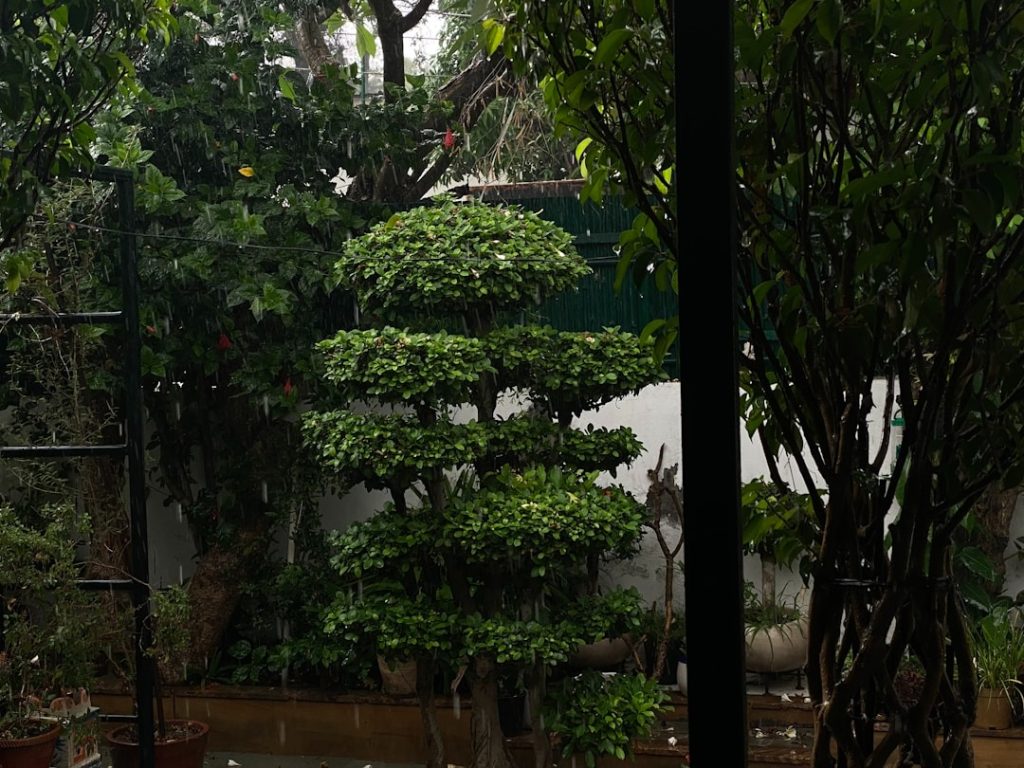
Decorating with artificial outdoor trees extends beyond traditional landscaping; there are numerous creative ways to use them for aesthetic and functional purposes. One survey revealed that 40% of homeowners use artificial plants for outdoor events and special occasions due to their versatility and low maintenance.
Tactical placement can enhance privacy, create shaded areas, or establish a focal point within the garden. For a festive ambiance, consider adorning artificial trees with lights or seasonal decorations. In communal spaces, faux trees can serve as innovative dividers or enclosures for seating areas.
Actionable guidance involves periodically reassessing the outdoor area for opportunities to repurpose your artificial trees. The ability to move and restyle them with ease allows for continual rejuvenation of outdoor spaces to suit changing preferences or functional needs.
Overall, artificial outdoor trees represent an appealing blend of durability, beauty, and versatility for homeowners and landscape designers. With proper selection, thoughtful integration, and attentive maintenance, these faux elements can significantly enhance any outdoor space while offering a hassle-free alternative to real trees. As decorating trends evolve, these resilient accents continue to prove their worth in curated landscapes and versatile outdoor designs.

